
26 February 2026 · 9 min read
Visiting Dubai During Ramadan and Eid: A Tourist's Guide to Timings and Etiquette
A visiting Dubai during Ramadan tourist guide with 2026 dates, daytime eating rules, the best iftar spots, Eid timings, dress codes and mistakes to skip.
Ramadan in Dubai is not the locked-down, everything-shut city some travellers fear. It is one of the most interesting times to visit, with half-price hotels, slower mornings, electric night markets and iftar tables that go on for hours. Here is exactly how the day works, what is open when, and how not to put a foot wrong.
When Ramadan and Eid fall in 2026
Ramadan moves about 10 to 11 days earlier each year because it follows the lunar Hijri calendar, and the exact start depends on the official moon sighting announced by the UAE authorities a day or two before. For 2026, Ramadan is expected to begin around 18 February and run roughly four weeks, with Eid al-Fitr expected around 20 March. Treat these as estimates until the moon-sighting committee confirms.
If you are reading this around the date it was published, you are near the front end of Ramadan, which is the quietest, most atmospheric stretch before the Eid crowds arrive.
- Ramadan 2026 start: expected on or around 18 February (subject to moon sighting)
- Laylat al-Qadr (the holiest nights): the last 10 nights, expected mid-March 2026
- Eid al-Fitr 2026: expected around 20 to 23 March, a public holiday of 2 to 4 days
- Eid al-Adha 2026: separate festival expected late May, not connected to Ramadan
- Practical tip: book flexible hotel rates, as the exact Eid dates shift by a day once announced
What actually changes day to day
Daytime is calm. Muslims fast from dawn (suhoor ends at the Fajr call to prayer, roughly 5am in March) until sunset (Maghrib, roughly 6.30pm). The fast is broken with iftar, after which the city wakes up properly and stays busy past midnight.
Crucially, this does not mean tourists go hungry. The old rule of no daytime eating in public has relaxed a lot. Most hotel restaurants, mall food courts and cafes now serve through the day, though many screen seating areas with curtains as a courtesy.
- Working hours shorten: government offices and many businesses run reduced day hours
- Restaurants: hotel and mall venues mostly open daytime; standalone street cafes may open only after iftar
- Alcohol: licensed bars and clubs stop daytime service and reopen after sunset; live music is toned down
- Attractions: Burj Khalifa At The Top, Dubai Frame, the Museum of the Future and theme parks stay open as normal
- Traffic: brutal in the 60 to 90 minutes before iftar as everyone races home; avoid driving then
Eating, drinking and smoking in public
This is where most visitors overthink it. You will not be arrested for sipping water on the metro, but the respectful move is to keep eating, drinking and smoking out of open public view during fasting hours. Step into a cafe, a food court, your hotel, or a screened area instead.
Vaping and chewing gum count the same as eating in the eyes of etiquette. Carry a refillable bottle and drink it discreetly indoors, especially if you are out in March heat.
- Fine: eating in any open restaurant, hotel, food court, or your room
- Avoid: eating, drinking, smoking or vaping while walking on the street, in metro stations, or in parks during daylight
- On the Dubai Metro and tram: no eating or drinking at any time of year, fasting season or not
- Offering food: do not eat in front of a fasting colleague or driver without checking; most will not mind, but ask
- Kids, pregnant women and the unwell are exempt from fasting, so do not feel you must hide everything from family
Where to do iftar: the meal that defines the season
Iftar is the breaking of the fast at sunset, and it is the single best cultural experience of a Ramadan trip. It ranges from grand hotel buffets to communal tents to free food handed out at mosques. Book hotel iftars a few days ahead in the last 10 nights, when they sell out.
Expect dates and laban (a salty yoghurt drink) first, then soups, grills, Arabic mezze and an avalanche of desserts. These are real, named options that run reliably year to year, though confirm current pricing when you book.
- Al Hadheerah at Bab Al Shams desert resort: outdoor Arabian feast with live falconry and horses, around AED 450 to 600 per person
- Asateer Tent at Atlantis, The Palm: enormous canopy tent buffet, family favourite, around AED 350 to 450
- Suhoor and iftar tents at Madinat Jumeirah: waterway setting with Burj Al Arab views, premium pricing from AED 400
- Arabian Tea House, Al Fahidi: atmospheric heritage-courtyard iftar set menu, around AED 130 to 170, books out fast
- Ravi Restaurant, Satwa: legendary cheap Pakistani spot, full iftar plate under AED 40, no frills, queues out the door
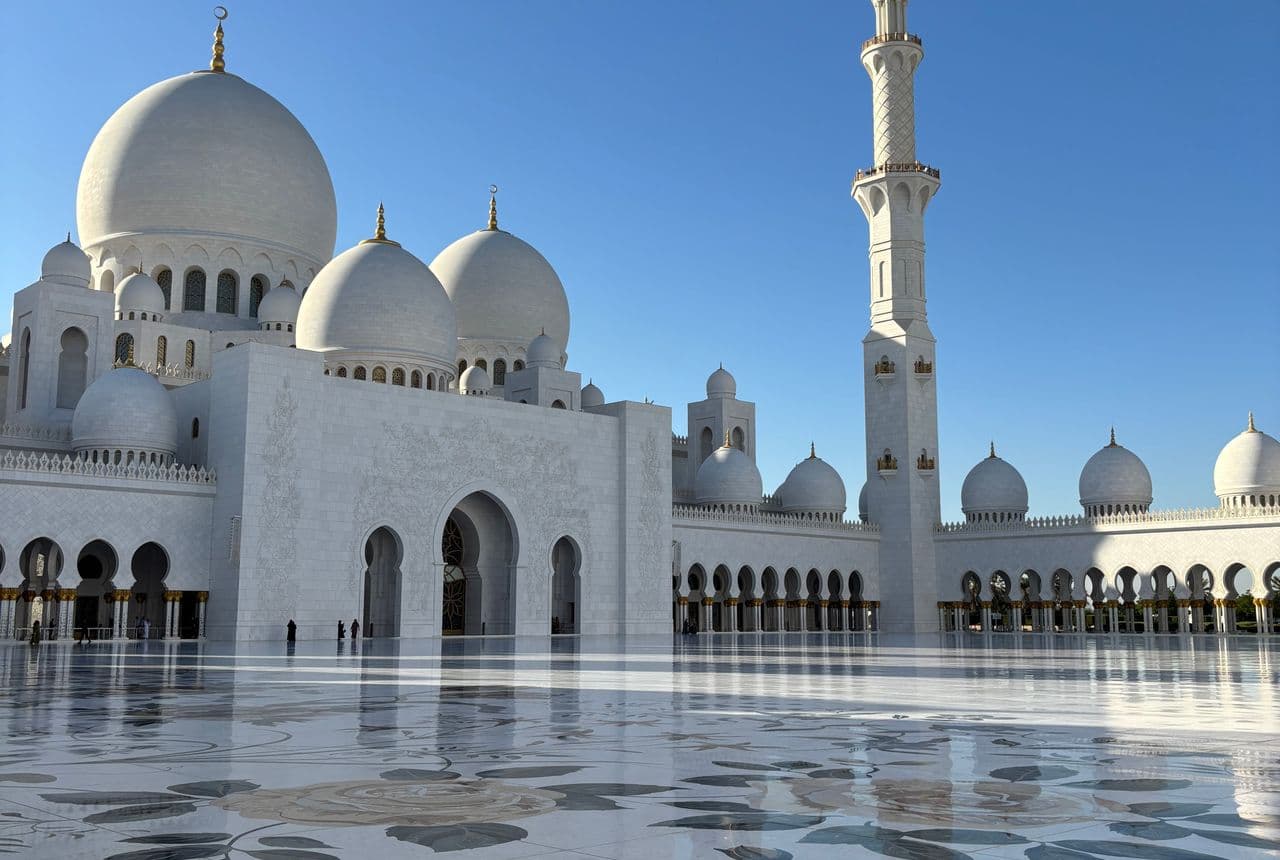
- Free community iftar at the Sheikh Zayed Grand Mosque (Abu Dhabi) and many Dubai mosques: open to all, arrive 30 minutes before sunset and dress modestly
Suhoor and the after-dark city
Suhoor is the pre-dawn meal, but socially it has become a late-night affair. From around 9pm to 2am, hotels and lounges run suhoor menus, shisha terraces fill up, and the whole city has a relaxed, late energy that you simply do not get the rest of the year.
This is the time to wander. Souks and markets stay open late, malls extend their hours, and the temperature finally drops to something pleasant.
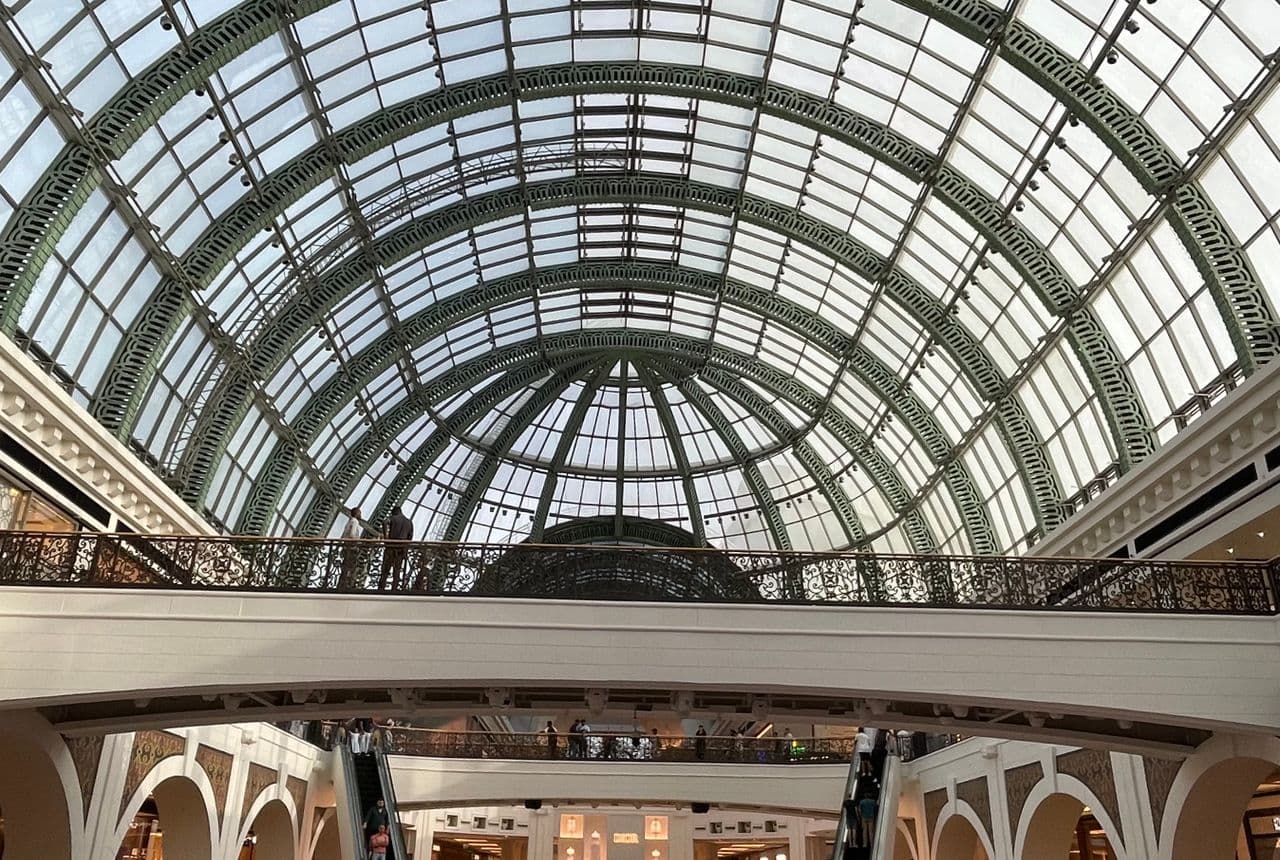
- Late-night malls: Dubai Mall and Mall of the Emirates often open until midnight or later in Ramadan
- Ramadan markets: look for the Ramadan night market editions at venues across the city for sweets, dates and crafts
- Global Village (Sheikh Mohammed Bin Zayed Road): open through Ramadan with adjusted late hours, entry around AED 30
- Shisha and suhoor terraces: spots around City Walk, Bluewaters and JBR run until the small hours
- Old Dubai after dark: the spice and gold souks in Deira and the abra crossing over Dubai Creek (AED 1 per ride) are magical and cool at night
Dress code and behaviour: the simple version
Dubai is relaxed, but Ramadan asks for a slightly higher bar of modesty in public, malls and old-town areas. You can still wear normal beachwear at the beach and the pool. The shift is mostly about covering shoulders and knees when you are out and about, and keeping behaviour low-key.
Loud music, public displays of affection and aggressive haggling land worse than usual during the fasting month. Keep the volume down and you will be welcomed everywhere.
- Malls, souks, restaurants: shoulders and knees covered for everyone; carry a light scarf or shawl
- Mosque visits (Jumeirah Mosque runs open Understand Islam tours, around AED 35): women cover hair, everyone covers arms and legs, abayas often provided
- Beaches and hotel pools: standard swimwear is fine, including at Kite Beach, JBR Beach and La Mer
- Greetings: Ramadan Kareem or Ramadan Mubarak is the warm thing to say; after Eid it becomes Eid Mubarak
- Photography: ask before photographing people, especially women and anyone praying
Eid al-Fitr: what to expect when Ramadan ends
Eid al-Fitr marks the end of the fast and turns the city festive. There are dawn Eid prayers at mosques and open grounds, big fireworks, shopping promotions and packed restaurants. It is a public holiday, so locals are off work and out in force, which means crowds and higher hotel rates than the quieter Ramadan weeks.
If you want the calm, atmospheric trip, come during Ramadan itself. If you want fireworks and a party, time your visit for the Eid weekend, but book early and expect everything to be busier and pricier.
- Eid fireworks: typically launched at Bluewaters/Ain Dubai, The Beach at JBR, Global Village and Expo City across the holiday
- Eid shopping: city-wide sales and mall promotions, often with raffles and giveaways
- Restaurants and theme parks: fully back to normal hours and packed; book tables and tickets in advance
- Rates: hotels jump for the Eid long weekend, so the cheapest sweet spot is the first two weeks of Ramadan
- Public transport: metro and tram run extended hours on Eid nights for the fireworks crowds
Practical timing and money tips
Plan your day around sunset. Mornings and early afternoons are sleepy and uncrowded, perfect for attractions and the desert. The pre-iftar hour is dead for shops and chaotic for roads, then the city roars back to life from 7pm.
Ramadan is genuinely cheaper. Hotels often discount 30 to 50 percent versus peak winter rates, and February to March weather is mild and dry, ideal for the beach and the desert.
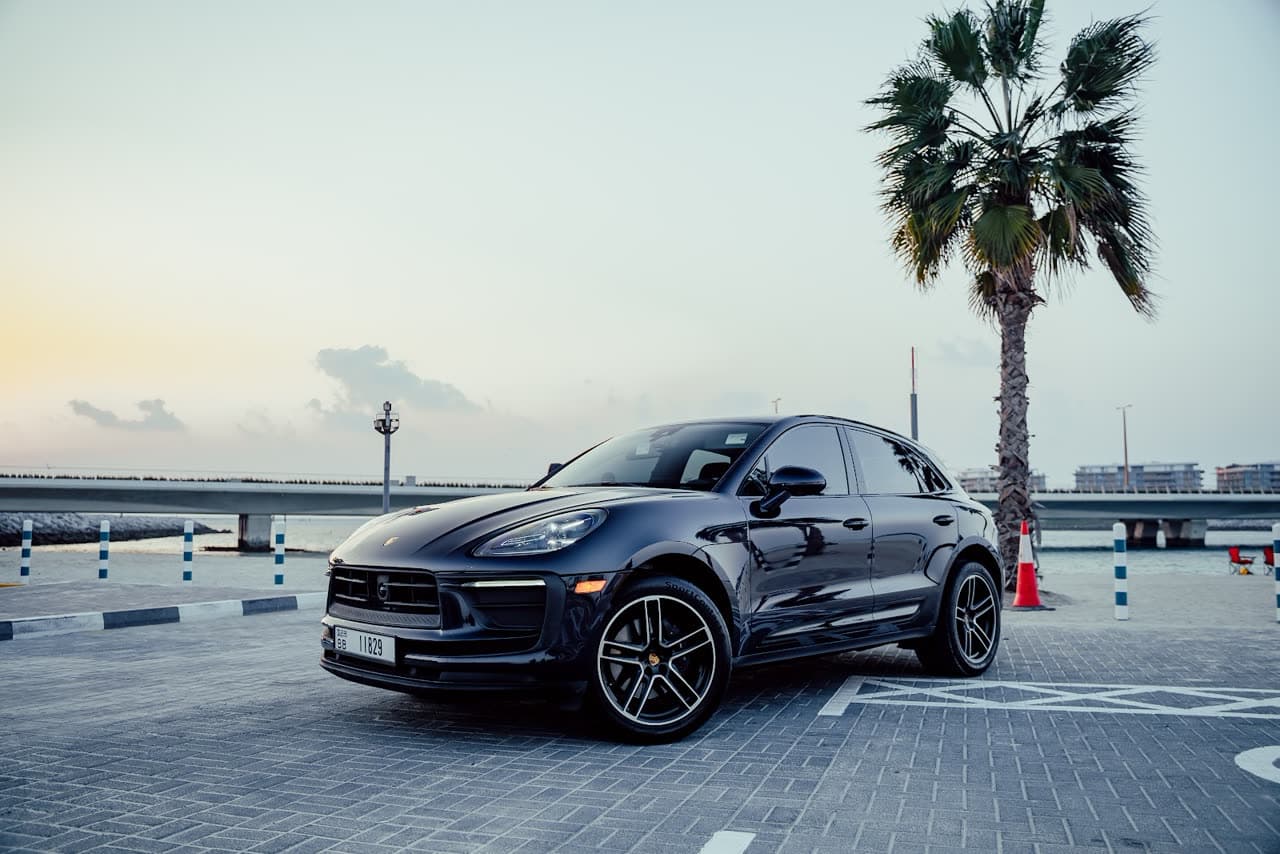
Having your own car makes Ramadan timing far easier, letting you reach a desert iftar or beat the pre-sunset traffic on your own schedule, and BestCar offers free delivery to your hotel with quick booking on WhatsApp at +971 54 551 4155.
- Best sightseeing window: 9am to 3pm when attractions are quiet and queues short
- Worst driving window: roughly 5.30pm to 6.45pm before iftar, when roads are dangerous and gridlocked
- Cash: keep small notes for souks, abra rides (AED 1) and tipping; cards work everywhere else
- Weather: February to March highs around 26 to 30C, perfect for desert trips and beach days
- ATMs and exchange: best rates at Al Ansari Exchange branches in malls rather than airport kiosks
Frequently asked questions
Can tourists eat and drink in public during Ramadan in Dubai?
Restaurants, hotels and mall food courts serve through the day, so you will not go hungry. The etiquette is simply to avoid eating, drinking, smoking or vaping in open public view, such as on the street, in parks or at metro stations, during daylight hours. Step indoors or into a cafe and you are completely fine.
Are attractions and tours open during Ramadan?
Yes. Burj Khalifa, Dubai Frame, the Museum of the Future, theme parks, beaches and desert safaris all run normally, often with shorter daytime hours and extended evening hours. Standalone street cafes may only open after sunset, but major sights stay open. Booking the morning slots gets you the shortest queues of the year.
What should I wear in Dubai during Ramadan?
Cover shoulders and knees in malls, souks, restaurants and old-town areas, and carry a light scarf. Beach and pool swimwear is still fine at places like JBR Beach and Kite Beach. For mosque visits women cover their hair and everyone covers arms and legs; the Jumeirah Mosque tour provides abayas to borrow.
Is Dubai cheaper to visit during Ramadan?
Often yes. Hotels frequently cut rates 30 to 50 percent compared with the December to February peak, and February to March weather is mild and dry. The cheapest, calmest window is the first two weeks of Ramadan, before Eid al-Fitr pushes prices and crowds back up over the public holiday weekend.
When is Eid al-Fitr 2026 and what happens?
Eid al-Fitr is expected around 20 to 23 March 2026, confirmed only after the moon sighting. It brings dawn prayers, fireworks at spots like Bluewaters and JBR, city-wide sales and packed restaurants. It is a public holiday, so book hotels, tables and tickets early and expect busier, pricier conditions than the quieter Ramadan weeks.
Ready to drive?
Free delivery across Dubai. Message our concierge for a tailored quote in ~5 minutes.