
18 March 2026 · 9 min read
Where to Eat in Dubai: From Emirati Classics to Late-Night Shawarma
Where to eat in Dubai local food: real Emirati spots, mezze legends, biryani houses, late-night shawarma and the AED prices and tips you actually need.
Most visitors eat their way through hotel buffets and mall food courts and leave thinking Dubai has no food of its own. That is a mistake. The real city eats Emirati machboos in Al Fahidi, Lebanese mezze in Satwa, Keralan biryani in Karama, and AED 12 shawarma at midnight, and once you know the addresses it is some of the best value eating anywhere in the Gulf.
What 'Emirati food' actually means (and where to try it)
Emirati cuisine is slow-cooked, lightly spiced and built around rice, meat and dried lime (loomi). The dish you must try is machboos: spiced rice with chicken, lamb or fish, close cousin of biryani but gentler. Add harees (wheat and meat porridge), thareed (stewed meat over thin bread), and balaleet (sweet vermicelli with egg) for breakfast.
Proper Emirati restaurants are rarer than you would think, so go to the ones that do it well rather than gambling on a hotel version. Most are casual, alcohol-free and very reasonably priced for what arrives.
- Al Fanar Restaurant & Cafe (Festival City, Dubai Mall, Town Centre Jumeirah) - 1960s-themed, the easiest first taste; machboos around AED 60-75, do book at weekends.
- Aseelah (Radisson Blu Deira Creek) - more refined Emirati cooking with creek views; mains AED 70-110, lovely at sunset.
- Seven Sands (The Beach, JBR) - modern Emirati with terrace seating; try the camel machboos, mains around AED 65-95.
- Milas (Dubai Mall, City Walk) - bright, family-friendly, strong chicken saloona and balaleet; mains AED 55-90.
- Logma (City Walk, Boxpark) - casual Khaleeji comfort food; the chebab pancakes and karak chai are the move, dishes AED 25-50.
- Bait Maryam (Jumeirah Lakes Towers) - a chef-mum's home-style Levantine-Emirati cooking; mains AED 55-85, intimate so reserve.
Karak chai and chebab: the local breakfast ritual
Before you spend money on a sit-down breakfast, do what locals do and grab karak: strong milky tea with cardamom and condensed milk, AED 1-2 from a roadside cafeteria. It is the social fuel of the UAE.
Pair it with chebab (saffron-cardamom pancakes) or a simple cheese-and-zaatar manakish from a bakery. This is the cheapest, most authentic morning in the city and you will see Emiratis, taxi drivers and labourers all in the same queue.
- Filli Cafe (multiple, originated in Al Qusais) - the cult zaafran karak, around AED 2-3.
- Project Chaiwala (Satwa, Alserkal, City Walk) - karak done as a proper sit-down, AED 8-15, with a paratha wrap.
- Arabian Tea House (Al Fahidi historic district) - turquoise-chaired courtyard, full Emirati breakfast platter around AED 55, the prettiest setting in old Dubai.
- Any blue-fronted 'cafeteria' in Satwa or Deira - chebab and karak for under AED 10 total.
Late-night shawarma and the AED 12 dinner
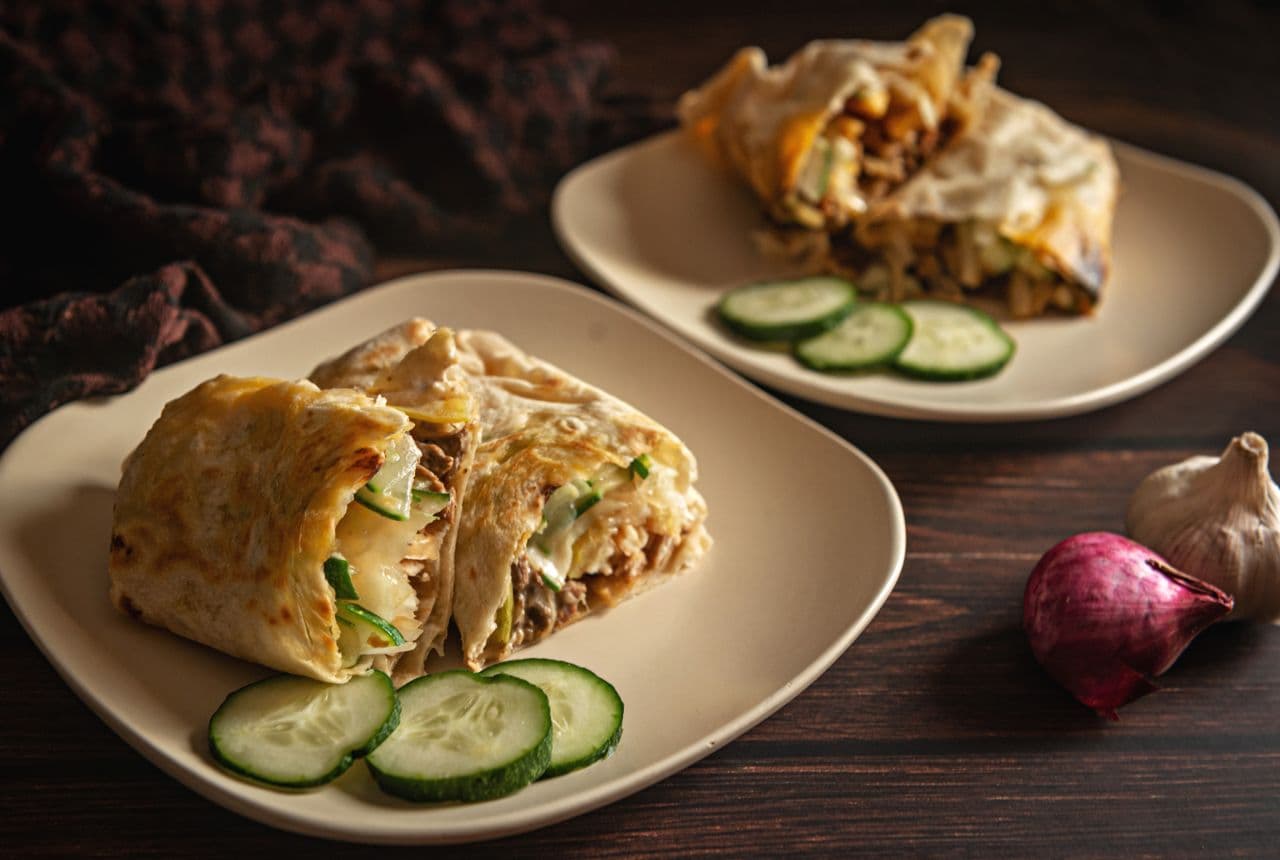
Dubai's secret weapon is the cafeteria: tiny Lebanese, Syrian and Egyptian shops open until 2-3am doing shawarma, falafel and fresh juice for almost nothing. A chicken shawarma is usually AED 10-18, a falafel wrap AED 6-10, and a fresh mango or avocado-honey juice AED 12-18.
Satwa (Al Diyafah / 2nd December Street), Karama and Deira are the heartlands. Order it 'spicy with garlic toum and extra pickles' and eat it standing up. This is the meal locals actually default to.
- Al Mallah (Satwa, 2nd December Street) - the legend since 1979; shawarma AED 12-16, juices excellent, pavement seating.
- Beirut Restaurant (Al Rigga, Deira) - huge plates, shawarma platter around AED 30, busy until late.
- Sultan Dubai Falafel (Satwa) - Egyptian-style falafel sandwich for roughly AED 7, cult following.
- Operation Falafel (City Walk, JBR, Mall of the Emirates) - polished version, wraps AED 22-30, good if Satwa feels too rough-and-ready.
- Aroos Damascus (Al Muraqqabat, Deira) - Syrian institution, grills and shawarma, plan AED 40-60 a head.
Old Dubai's best-value feasts: Karama, Deira and Meena Bazaar
The strongest value-for-money eating in the city is in the older neighbourhoods, where the South Asian and Arab working population eats. Karama and Bur Dubai's Meena Bazaar are wall-to-wall with Indian, Pakistani, Sri Lankan and Filipino kitchens.
You can eat extremely well for AED 25-50 a person. Come hungry, pay cash, and do not judge a place by its plastic chairs.
- Ravi Restaurant (Satwa) - the famous Pakistani institution; daal, chicken handi and naan, full meal around AED 30-40.
- Calicut Paragon (Karama) - Keralan seafood and Malabar biryani, mains AED 30-55, the fish curry is the order.
- Bait Al Mandi (Karama, Al Quoz) - Yemeni mandi, a whole tray of smoky rice and lamb to share for around AED 80-120.
- Saravana Bhavan / Sangeetha (Karama) - South Indian vegetarian, a masala dosa for AED 18-25.
- Special Ostadi Restaurant (Al Mankhool, since 1978) - tiny Iranian kebab house, chelo kebab around AED 35-50.
- Karachi Darbar (Karama and citywide) - cheap, reliable Pakistani-Chinese mix, plates AED 18-35.
Levantine mezze and the long lunch
If you only learn one ordering trick in Dubai, make it mezze: a table of small Lebanese and Syrian plates (hummus, moutabal, tabbouleh, fattoush, kibbeh, grilled halloumi, mixed grill) shared between everyone. It suits the climate, the company and the budget.
Order four or five cold mezze, two hot ones and one mixed grill for two people and you will be comfortably full. Many of these places do not serve alcohol, which keeps the bill down.
- Al Safadi (Sheikh Zayed Road, near Financial Centre) - benchmark Lebanese, mezze AED 22-38 each, slick and busy.
- Reem Al Bawadi (Jumeirah Beach Road, Al Wasl) - sprawling, shisha-friendly, mezze and grills, plan AED 90-130 a head.
- Em Sherif Cafe (Galleria Mall, Al Wasl) - more upmarket Lebanese, beautiful tiling, mains AED 70-120.
- Zahr El-Laymoun (Dubai Mall, terrace over the fountain) - mezze with the Burj Khalifa show, expect a premium for the view.
- Al Nafoorah (Jumeirah Emirates Towers) - polished, consistent, good for a special Levantine lunch.
Where to eat with a view (without overpaying)
Plenty of Dubai dining is about the setting as much as the plate. You do not have to book the most expensive table in town to get a skyline or sea view, but you should know which ones earn their price.
A tip: lunch and weekday slots are far cheaper than dinner at the same venue, and many rooftops have a daytime cafe rate before the evening minimum spend kicks in.
- Pierchic (Al Qasr, Madinat Jumeirah) - seafood on a jetty over the sea with the Burj Al Arab behind it; special-occasion prices, book weeks ahead.
- CE LA VI (Address Sky View, 54th floor) - rooftop with a direct Burj Khalifa view; come for the bar/terrace if dinner feels steep.
- Pai Thai (Madinat Jumeirah) - arrive by abra (small boat) along the waterways; Thai food, romantic, around AED 200+ a head.
- Bu Qtair (Fishing Harbour 2, Jumeirah) - legendary no-frills fried fish shack by the sea, around AED 50-70 a person, cash, expect a queue.
- BB Social Dining or any City Walk terrace - solid mid-range food with street-level buzz rather than a sky-high bill.
Practical rules that save money and stress
Dubai dining has its own rhythms. Friday and Saturday are the weekend, so the busiest nights are Thursday to Saturday; book ahead for anything popular. Tipping is not compulsory, a 10 percent service charge is often already on the bill, and rounding up or 10-15 percent for good service is normal.
Tap water is safe but most people drink bottled. Pork is sold in clearly labelled sections and many restaurants are alcohol-free, which is normal, not a downgrade.
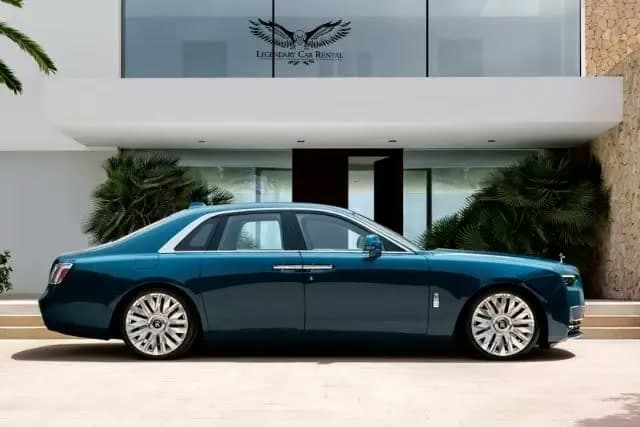
Hopping from Satwa shawarma to a Madinat Jumeirah view to a Karama biryani in one evening is a pain by taxi but easy with your own wheels, and a rental car from BestCar comes with free delivery, just WhatsApp +971 54 551 4155.
- Brunch is a Friday-Saturday institution, not breakfast; sit-down brunches run AED 250-600 with the venue's drinks package.
- Ramadan (around late Feb to late March 2026) changes everything: many places open only after sunset for iftar, and daytime eating in public is limited.
- Karama, Satwa and Deira are cash-friendly and cheapest; mall and hotel venues add service charge and often a 5 percent VAT line.
- Use the Metro to Burjuman or ADCB for Karama, and a short taxi for Satwa; parking in old districts is tight at night.
- Book fountain-view and rooftop tables 1-2 weeks ahead for Thursday to Saturday.
Frequently asked questions
What is the most authentic Emirati dish to try first?
Start with machboos, spiced rice with chicken, lamb or fish flavoured with dried lime. It is the national comfort dish and easy to find at Al Fanar, Seven Sands or Milas. If you want breakfast, try balaleet (sweet vermicelli with egg) or chebab pancakes with a cup of karak tea.
Where can I eat cheaply in Dubai?
Head to Karama, Satwa or Deira rather than the malls. A chicken shawarma runs AED 10-18, a falafel wrap AED 6-10, and a full Pakistani or South Indian meal AED 25-50. Places like Ravi, Al Mallah and Calicut Paragon feed you very well for the price, usually cash only.
Is street food and cafeteria food safe to eat in Dubai?
Yes. Dubai Municipality inspects food outlets strictly and hygiene standards are high even at small cafeterias. Busy turnover at spots like Al Mallah or Sultan Dubai Falafel means fresh food. Drink bottled or filtered water to be safe and you will be fine eating shawarma at midnight.
Do I need to book restaurants in advance?
For popular sit-down and view restaurants, yes, especially Thursday to Saturday, which is the local weekend. Book Pierchic, CE LA VI and fountain-view tables one to two weeks ahead. Casual cafeterias, karak stops and Karama kitchens are walk-in, though they get crowded after 9pm.
What should I know about eating out during Ramadan?
During Ramadan (roughly late February to late March 2026) many restaurants open only after sunset for iftar, and eating, drinking or smoking in public during daylight is not permitted. Hotels and some malls run screened daytime options. Evening iftar buffets are a great, atmospheric way to experience the season.
Ready to drive?
Free delivery across Dubai. Message our concierge for a tailored quote in ~5 minutes.