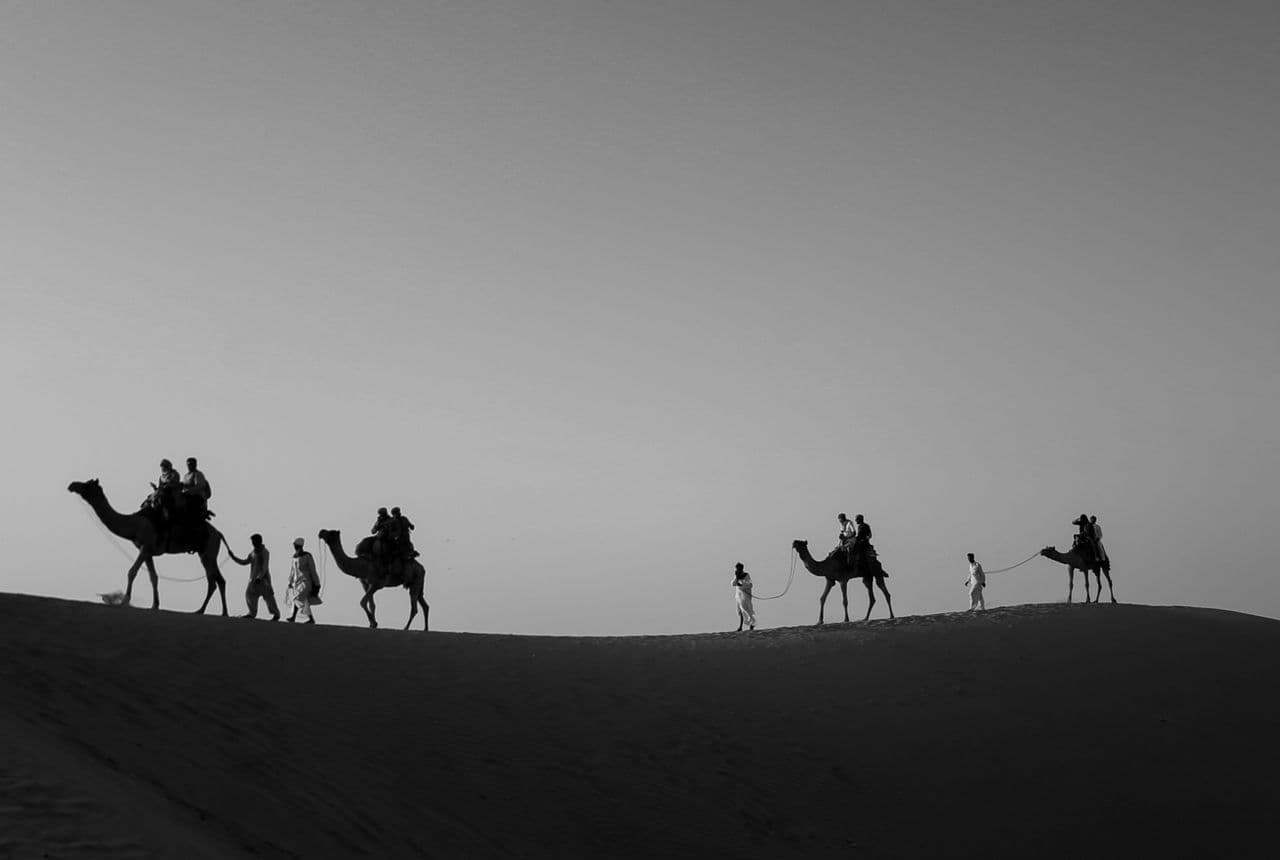

4 February 2026 · 9 min read
Al Marmoom Desert: Stargazing, Camping and the Wild Side of Dubai
Your Al Marmoom desert Dubai stargazing guide: where to camp, when to catch the Milky Way, real AED prices, how to get there and the mistakes to skip.
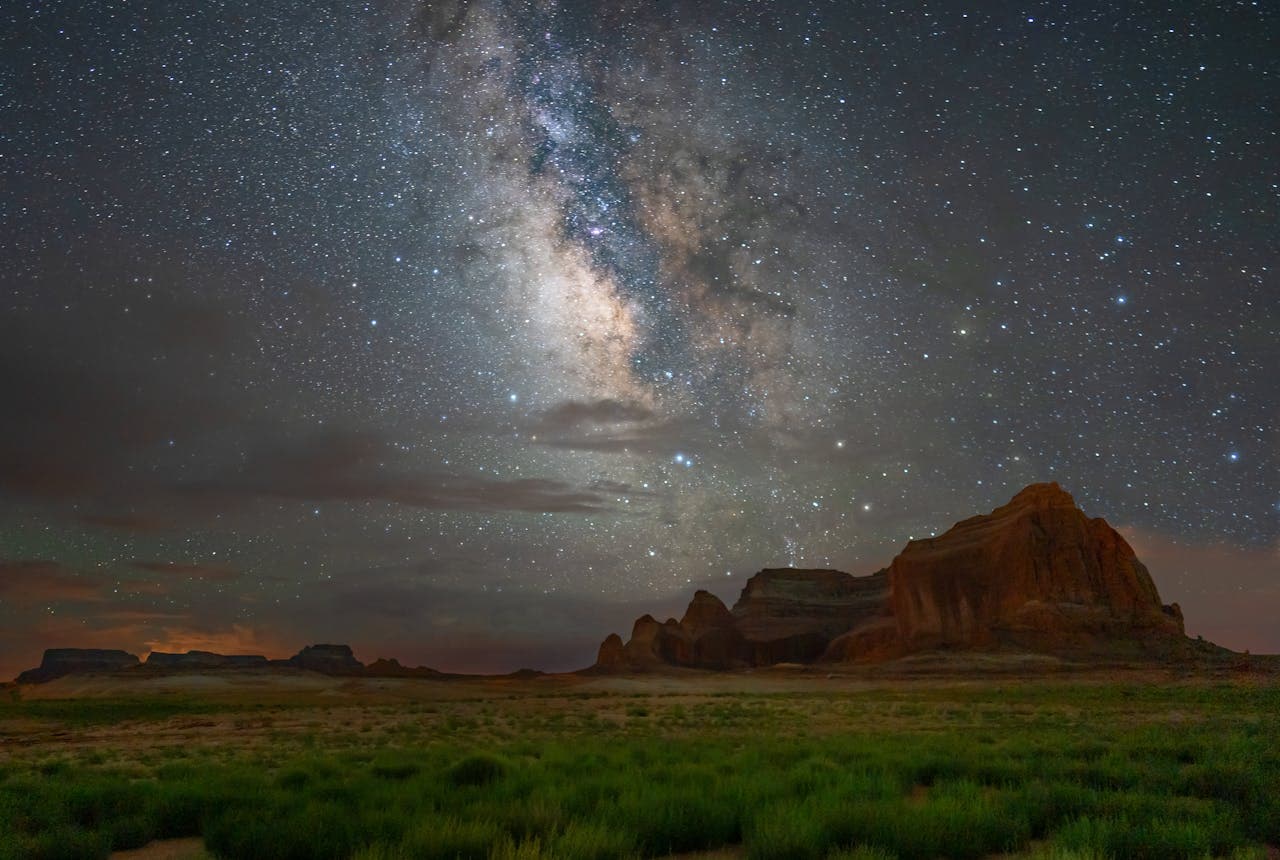
Forty minutes from Downtown, the city glow drops away and the sky fills with stars you cannot see anywhere near the Marina. Al Marmoom is the UAE's largest unfenced nature reserve, and it is the closest properly dark sky to central Dubai. Here is exactly where to go, when, and how to do it without the rookie errors.
What Al Marmoom Actually Is
Al Marmoom Desert Conservation Reserve covers roughly 10 percent of the entire emirate, stretching south from Al Qudra Road (D63) towards Lahbab and Al Lisaili. It is not a fenced theme park. It is open desert with managed wildlife, lakes, cycling tracks and a camel racetrack, and most of it is free to enter and open around the clock.
The reserve is home to oryx, gazelles, flamingos at the lakes and over 200 bird species. Because there is no entry gate or ticket office for the general public areas, people often arrive expecting a visitor centre and find open sand instead. Plan your spot before you drive in rather than wandering and hoping.
- Size: around 10 percent of Dubai, the largest unfenced reserve in the UAE
- Main public hubs: Al Qudra Lakes, Love Lake, the Al Qudra Cycle Track and the camel racetrack at Al Lisaili
- Cost: free for the public lakes, cycle track and open desert; paid camps and tours are separate
- Hours: lakes and cycle track are open 24/7, which is exactly why stargazers love it
Stargazing: When and Where to Look Up
Al Marmoom works for stargazing because the light pollution drops sharply once you are a few kilometres past Last Exit on Al Qudra Road. You will never get true wilderness-dark skies this close to a megacity, but on a clear, moonless night you can pick out the Milky Way band, Saturn, Jupiter and the brighter star clusters with the naked eye.
Timing matters more than location. Go on nights near the new moon, because a bright moon washes out everything faint. The Milky Way's galactic core is best from roughly May through September, rising late in the evening, while winter months from November to February give you cooler, very stable air and crisp views of Orion and the winter constellations. Always check the moon phase before you commit to a date.
- Best dark spots: deep along the D63 past the lakes, or off the Al Lisaili side away from the road lights
- Best dates: within 3-4 days of a new moon, on a clear night with low humidity
- Milky Way core season: May to September, late evening; winter gives steadier, sharper skies
- Bring red-light torches, not white phone torches, so your eyes stay dark-adapted
- A simple app like Stellarium or SkyView helps you find Saturn and the planets in seconds
Guided Astronomy Nights With the Dubai Astronomy Group
If you want the science as well as the view, the Dubai Astronomy Group runs regular public observation nights out at the Al Qudra desert, around half an hour from the city. They set up high-powered telescopes, run a guided sky tour and let you actually look at Saturn's rings, Jupiter's moons and deep-sky objects like the Andromeda Galaxy.
Sessions are ticketed and tend to sell out for big events such as meteor showers, eclipses and supermoons, so book ahead through dubaiastronomy.com rather than turning up. It is the easiest way for first-timers to get the most out of a sky they do not yet know how to read.
- Typical pricing: around AED 100-200 per adult depending on the event, less for children
- Optional transport from the city often runs about AED 120 per person
- What you see: Saturn's rings, Jupiter, the Moon's craters, star clusters and galaxies through proper scopes
- Peak demand: meteor showers (Perseids in August, Geminids in December), eclipses and supermoons
- Book through the official site; weekend slots go fastest
Camping: From a Tent in the Sand to Luxury Domes
Self-camping is genuinely popular here, with locals and residents pitching tents in the open desert and around the lakes through the cooler months. The sweet spot for camping is October to April, when daytime heat is manageable and nights are cool and clear. From late May to September it is simply too hot to camp comfortably, even after dark.
If you would rather not haul gear, the booked experiences do the work for you. Al Marmoom Oasis offers private Bedouin tents and luxury domes with a traditional Emirati dinner, roughly a 10-minute drive from Al Qudra Lake. Glamping packages across the reserve generally land somewhere between AED 1,000 and AED 2,500-plus per night depending on the camp, the dome and whether dinner and activities are included.
- Free self-camping: bring everything, leave no trace, no fires near vegetation
- Al Marmoom Oasis: private Bedouin tents and domes with Emirati dinner, near Al Qudra Lake
- Glamping range: roughly AED 1,000-2,500+ per night including dinner at the higher end
- Best season: October to April; avoid June to September heat
- Essentials: warm layers (desert nights drop sharply), water, a power bank and a rubbish bag
The Lakes, the Wildlife and the Daytime Side
Arrive a few hours before sunset and the desert gives you plenty to do before the stars come out. Al Qudra Lakes is a cluster of man-made lakes that draw flamingos, swans and ducks, with shaded spots to picnic. A short drive on is Love Lake, two large heart-shaped lakes ringed by planted trees, popular for sunset photos and walking loops.
Both are free, open 24/7 and busy at weekends, so a weekday visit is calmer. Keep your distance from the birds, stick to the tracks, and remember that feeding wildlife is discouraged because it harms the animals and the ecosystem the reserve exists to protect.
- Al Qudra Lakes: free, 24/7, flamingos and waterbirds, shaded picnic areas
- Love Lake: two heart-shaped lakes with tree-lined walking paths, prime sunset shots
- Wildlife to spot: Arabian oryx, gazelles, flamingos and 200-plus bird species
- Camel racetrack at Al Lisaili: catch training runs in the early morning during winter
- Go on a weekday to dodge the weekend crowds and grab parking easily
Cycling and the Al Qudra Track
The Al Qudra Cycle Track runs through the reserve and was recognised by Guinness World Records as the longest continuous cycling path in the world. The main loop is 50km, with a 35km bypass for a shorter ride and extensions that push the full network well beyond 100km.
The track is free and open 24/7, with a smooth tarmac surface and oryx wandering nearby. Most riders go at dawn or after sunset to beat the heat. If you do not have a bike, hire shops near the Last Exit area on Al Qudra Road rent road and hybrid bikes by the hour.
- Main loop: 50km, with a 35km bypass option for shorter rides
- Cost: free to use, open around the clock
- Bike hire: shops near Last Exit on Al Qudra Road rent by the hour
- Best times: dawn and post-sunset; carry water, the track has limited shade
- Watch for oryx and gazelles crossing, especially early morning
How to Get There
There is no direct public transport into the reserve, so a car is effectively essential. From Downtown or Business Bay, head out on Sheikh Mohammed Bin Zayed Road (E311), then turn onto Al Qudra Road (D63), which runs straight into the lakes and cycle track. The drive is around 40 to 45 minutes in normal traffic.
Last Exit on Al Qudra Road is the final petrol and food stop before the open desert, so fuel up, grab water and use the facilities there. Beyond it, services thin out fast. For the open desert and camps further in, follow the signed turn-offs and confirm directions with your camp before you lose mobile signal.
- Route: E311 (Sheikh Mohammed Bin Zayed Road) then D63 (Al Qudra Road)
- Drive time: roughly 40-45 minutes from central Dubai
- Last Exit: final fuel, food and toilets before the desert proper
- No reliable public transport; taxis will drop you but may be hard to recall after dark
- Pin your camp's exact location offline before you go, signal is patchy deep in the reserve
Common Mistakes to Avoid
Most Al Marmoom problems are avoidable. The biggest one is driving a low saloon car onto soft sand and getting stuck; stay on tarmac and graded tracks unless you have a 4x4 and know how to deflate tyres. The second is going on a bright moonlit night and wondering why the stars look dull.
- Do not drive a 2WD onto soft sand; you will get bogged down with no easy recovery
- Do not pick a full-moon night for stargazing; aim for the new moon window
- Do not rely on phone signal deep in the reserve; download offline maps first
- Do not leave litter or light fires near vegetation; it is a protected reserve
- Do not arrive without water and warm layers; daytime heat and night chill both catch people out
- Do not feed or chase the wildlife; observe and keep your distance
Getting There the Easy Way
Because there is no public transport into the reserve and taxis are hard to recall after dark, having your own car turns a logistical headache into a simple drive. A rental car from BestCar makes a late-night stargazing run or a dawn cycle far easier, with free delivery to your hotel or villa; message them on WhatsApp at +971 54 551 4155 to sort it out.
Frequently asked questions
Is Al Marmoom free to visit?
Yes, the public areas are free. Al Qudra Lakes, Love Lake, the open desert and the Al Qudra Cycle Track have no entry fee and are open 24/7. You only pay for extras like booked camps, glamping, guided astronomy nights or organised desert tours, which are run by private operators.
When is the best time for stargazing at Al Marmoom?
Pick a clear night within a few days of the new moon, when no moonlight washes out faint stars. The Milky Way core is best from May to September, rising late in the evening. Winter, November to February, gives cooler, steadier air and sharp views of Orion and the winter sky.
Can I camp overnight at Al Marmoom?
Yes. Self-camping in the open desert and near the lakes is popular from October to April when nights are cool. If you prefer comfort, booked camps like Al Marmoom Oasis offer Bedouin tents and luxury domes with dinner, typically from around AED 1,000 to AED 2,500-plus per night depending on the package.
How do I get to Al Marmoom from central Dubai?
Drive. Take Sheikh Mohammed Bin Zayed Road (E311) then Al Qudra Road (D63), which leads straight to the lakes and cycle track. It is roughly 40 to 45 minutes from Downtown. There is no direct public transport, and taxis can be hard to recall after dark, so a car gives you real freedom.
Do I need a 4x4 to visit Al Marmoom?
Not for the lakes, Love Lake or the cycle track, which are reached on sealed roads any car can handle. You only need a 4x4 if you plan to drive onto soft sand in the open desert. Driving a normal saloon onto the dunes is the most common way visitors get stuck out here.
Ready to drive?
Free delivery across Dubai. Message our concierge for a tailored quote in ~5 minutes.