
16 October 2025 · 9 min read
Dubai Desert Safari Guide: Morning vs Evening, Types and What to Expect
A Dubai desert safari guide on what to expect: morning vs evening, dune bashing, types, real AED prices, the Al Marmoom alternative and mistakes to avoid.
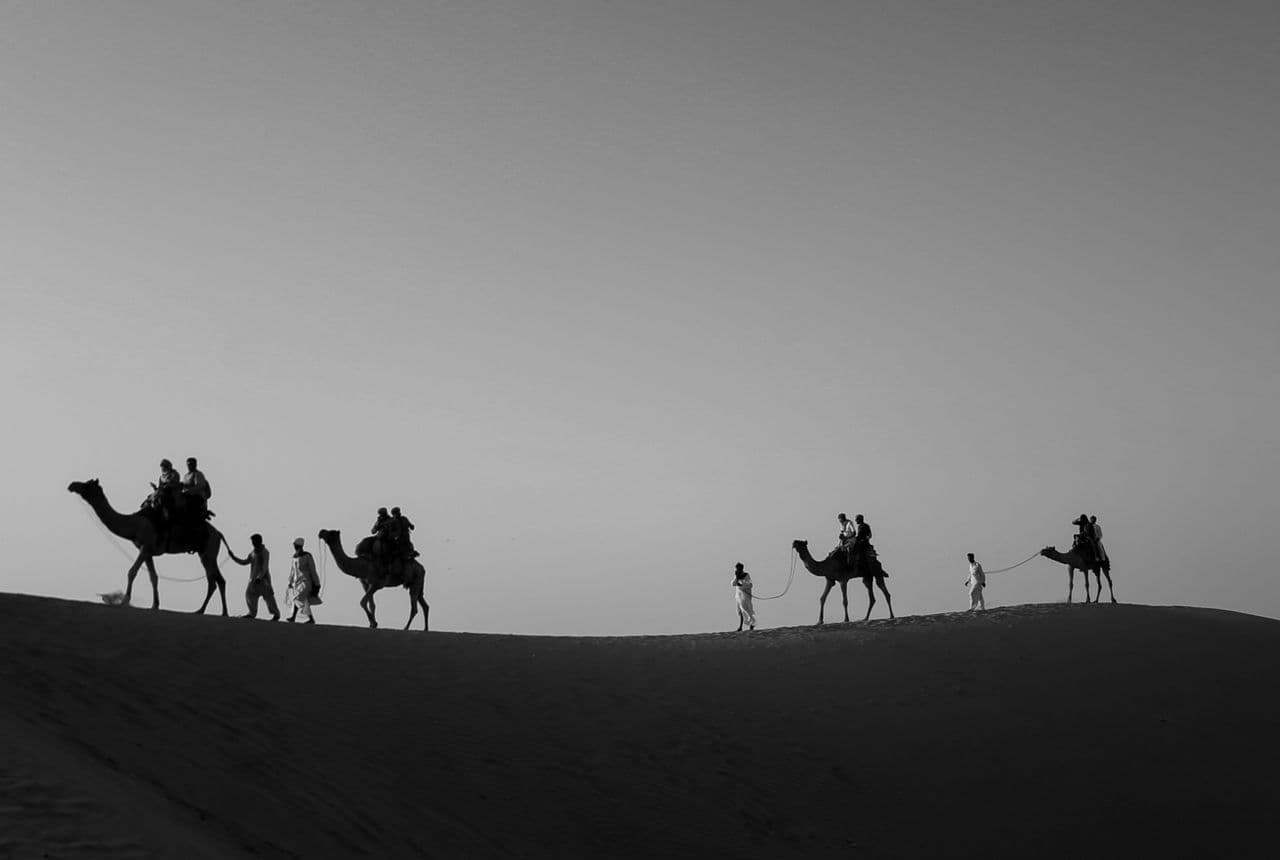
Almost every visitor books a desert safari, and almost half of them book the wrong one for what they actually want. The difference between a morning dune drive, a standard evening camp and a private overnight is bigger than the brochures admit. Here is how the trips really differ, what they cost in 2025-2026, and how to avoid the tourist traps.
Where Dubai's safaris actually go
Most safaris do not run on the famous open road dunes you see in films. The two zones used by licensed operators are the Dubai Desert Conservation Reserve (DDCR), a protected 225 sq km zone east of the city, and the unprotected red dunes near Al Awir and the Lahbab area on the way to Hatta. The DDCR has strict vehicle caps and tends to be calmer and more wildlife-focused. The Lahbab red dunes are where the big tour camps and aggressive dune bashing happen.
From Downtown or Marina, transfer time is roughly 45 to 75 minutes each way depending on the camp. Factor this in: an 'evening safari' often means a 15:00 to 15:30 pickup, not a sunset start.
- Dubai Desert Conservation Reserve (DDCR): premium, low-volume, oryx and gazelle sightings, used by Platinum Heritage and a few licensed operators only.
- Lahbab / Al Awir red dunes: the classic high-energy dune bashing zone where most budget and mid-range camps sit, around 45-60 min from Downtown.
- Al Marmoom Desert Conservation Reserve: the free, self-drive-friendly public reserve south of the city near Al Qudra Lakes for those who want no camp at all.
Morning vs evening: which to pick
Morning safaris (pickup around 08:00-09:00) are short, cheaper, and built around dune bashing, sandboarding and a quad bike or camel add-on. There is no camp dinner and no show, so you are usually back by lunchtime. They suit families with small children, anyone prone to motion sickness who wants it over quickly, and visitors short on evening time.
Evening safaris are the full experience: dune bashing in the golden hour, sunset photos, then a Bedouin-style camp with a buffet dinner, shisha, henna, a falconry display, and Tanoura plus belly dance shows. You return around 21:30-22:00. This is the trip most people picture when they say 'desert safari'.
In summer (June to September) the desert hits 45C by midday, so morning trips wrap up before the worst heat and evening camps only get comfortable after sunset. November to March is the sweet spot for either.
- Morning safari: from AED 100-180 per person, 3-4 hours total, no dinner or show, best for queasy stomachs and families.
- Evening safari (standard, shared 4x4): AED 130-250 per person including transfers, dinner buffet and shows.
- Overnight safari: AED 350-600 per person, includes camp sleeping, dinner, breakfast and stargazing.
- Best light for photos: arrive at the dunes 60-90 minutes before sunset, which falls around 17:45 in winter and 19:10 in summer.
Types of safari, decoded
The price you pay tracks almost exactly to group size and camp quality. A 'standard' safari packs six guests into a shared Land Cruiser and drops you at a large camp shared by hundreds of people. Premium and private tiers cut the crowd and add a guide who actually explains the ecosystem.
- Standard shared safari: 6 to a 4x4, large communal camp, buffet and shows. Cheapest, most crowded. AED 130-250.
- Premium / VIP safari: smaller camp, table seating, better food, often DDCR. AED 350-700.
- Private safari: your own vehicle and guide, flexible timing, ideal for couples and photographers. AED 900-1,800 per group.
- Heritage safari (e.g. Platinum Heritage): vintage Land Rovers, no aggressive bashing, falconry and Bedouin dinner inside the DDCR. AED 600-1,200 per person.
- Self-drive / 4x4 hire desert trip: rent a proper 4x4, deflate tyres, and explore Al Qudra or Al Marmoom independently (experience and recovery gear required).
- Hot air balloon + safari combo: sunrise balloon over the DDCR then breakfast, from around AED 1,095 per person.
What a standard evening actually looks like
The flow is consistent across operators. After pickup, your convoy stops at a layby near Lahbab to deflate tyres, then spends 20-30 minutes dune bashing: hard, swooping descents that feel like a rollercoaster on sand. They pause for sunset photos at the top of a high dune, then roll into the camp.
At camp you get a welcome of Arabic coffee (gahwa) and dates, then free time for camel rides, sandboarding, henna and dressing in traditional abaya or kandura for photos. Dinner is a buffet with grilled meats, salads and Arabic sweets, usually with a vegetarian section. The evening ends with a falcon display, a Tanoura spinning dance and a belly dance show on a central stage.
- Dune bashing: 20-30 minutes, request a gentler ride if you have back issues or motion sickness.
- Camel rides: usually a short 5-minute loop, sometimes a small extra charge of AED 20-40.
- Quad bikes / dune buggies: typically a paid add-on, AED 100-250 for 15-30 minutes.
- Sandboarding: free at most camps, ask staff for a board.
- Alcohol: only served at licensed camps and usually charged separately; many budget camps are dry.
How to get there and getting picked up
Nearly every safari includes hotel or address pickup in a shared 4x4, so most visitors never drive. The catch is the pickup window: shared tours collect guests across multiple hotels, so your '15:30 pickup' can slip by 30-45 minutes, and you may sit through several other stops before reaching the dunes.
If you value your own schedule, driving yourself to the meeting point or doing a self-drive desert day removes the shuttle lottery entirely. The Al Qudra and Al Marmoom area is reachable by sealed road and needs no 4x4 to reach the lakes and the Love Lakes viewpoint, though going onto soft sand does.
- Shared transfer: included, but expect a slow multi-hotel pickup loop of 30-60 minutes.
- Private transfer: faster and direct, included in private and premium tiers.
- Self-drive to Al Qudra Lakes / Love Lakes: around 40-50 min from Downtown via Al Qudra Road (D63), free to visit.
- Al Marmoom Reserve entrance is off the Dubai-Al Ain Road; the lakes loop is tarmac and 2WD friendly.
The free alternative: Al Marmoom and Al Qudra
If you want the desert without a buffet and a stage show, Al Marmoom Desert Conservation Reserve is the largest unfenced reserve in the UAE and entry is free. Al Qudra Lakes inside it are man-made lakes that draw flamingos, swans and gazelles, and the heart-shaped Love Lakes nearby are a popular sunrise and sunset spot.
Bring your own water, shade and snacks, because facilities are minimal. There is a long cycling track (the Al Qudra Cycle Track) and informal camping is tolerated in marked areas. This is the move for budget travellers, photographers and anyone who finds the commercial camps too packaged.
- Cost: free entry, free parking.
- Best for: sunrise birdwatching, picnics, cycling, low-key sunset photos.
- Bring: 2+ litres of water per person, sunshade, a bin bag (carry your rubbish out), and a full fuel tank.
- Avoid: driving onto soft sand in a 2WD; recovery here is slow and expensive.
What to wear, bring and avoid
Comfort and modesty both matter. Camps are relaxed, but you are seated cross-legged on the floor for dinner, and shows are family settings. Loose, breathable clothing wins, and closed shoes or sandals you can shake sand out of beat heels every time. Sunset cools the desert fast in winter, so a light layer for the evening is sensible.
The single biggest comfort mistake is eating a heavy lunch right before dune bashing. The drops are sharp. Eat light, take motion sickness tablets if prone, and sit in the middle row, not the back.
- Wear: loose cotton or linen, closed shoes, sunglasses, a hat, and a light jacket for winter evenings.
- Bring: sunscreen, a power bank, cash for add-ons and tips (AED 20-50 for the driver is normal).
- Skip the heavy lunch before dune bashing; motion sickness is the top complaint.
- Photographers: a lens cloth and a sealed bag protect gear from fine sand.
- Avoid feeding or chasing wildlife in the DDCR; it is a protected reserve with fines.
Common mistakes that ruin the day
Most disappointment comes from booking the wrong tier or the wrong season, not from the desert itself. A peak-summer midday safari, a back-row seat with a queasy stomach, or a huge 200-person camp when you wanted quiet are all avoidable with a little planning.
- Booking the cheapest option then being upset at the crowd: pay up a tier for space and food quality.
- Assuming 'evening safari' means a sunset start; pickups are often mid-afternoon.
- Going in July at midday: the heat is genuinely dangerous, choose morning or wait for winter.
- Not confirming hotel pickup and the actual camp location before paying.
- Expecting the open road dunes from films; commercial camps are in fixed leased zones.
- Having your own car turns the self-drive desert days into easy half-day trips. BestCar offers free delivery across Dubai and you can book on WhatsApp at +971 54 551 4155.
Frequently asked questions
Is a desert safari in Dubai worth it?
Yes, for most first-time visitors it is one of the standout experiences. The value depends on matching the tier to your group: couples and photographers should pay for a premium or private trip, while families on a budget get plenty from a standard evening camp. The dune bashing, sunset and Bedouin dinner are genuinely memorable when you pick the right season.
What should I wear to a Dubai desert safari?
Loose, breathable clothing that covers shoulders and knees, plus closed shoes or sandals you can shake sand from. Bring a hat, sunglasses and sunscreen for daytime, and a light jacket for winter evenings when the desert cools quickly after sunset. You sit on the floor for dinner, so avoid tight or restrictive outfits and heels.
How much does a desert safari cost in Dubai in 2026?
A standard shared evening safari runs about AED 130-250 per person including transfers, dinner and shows. Morning safaris start around AED 100-180. Premium and VIP camps cost AED 350-700, private tours AED 900-1,800 per group, and heritage trips in the conservation reserve AED 600-1,200 per person.
Is dune bashing safe and will I get motion sick?
Licensed drivers in the Lahbab dunes are experienced and vehicles have seatbelts, so it is reasonably safe. Motion sickness is the main issue. Eat light beforehand, sit in the middle row rather than the back, take a tablet if you are prone, and tell your driver if you want a gentler ride. Pregnant women and those with back or neck problems should skip it.
Can I visit the desert in Dubai for free?
Yes. Al Marmoom Desert Conservation Reserve and the Al Qudra Lakes, including the heart-shaped Love Lakes, are free to enter and roughly 45 minutes from Downtown. You can picnic, cycle, birdwatch and watch the sunset without a tour. Bring your own water and shade, and stay off soft sand unless you have a proper 4x4 and recovery gear.
Ready to drive?
Free delivery across Dubai. Message our concierge for a tailored quote in ~5 minutes.